















Little Kitty, Big City


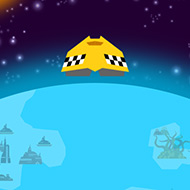








What’s the actual plan when a housecat naps a little too close to an open window and wakes up several floors below where it started? Little Kitty, Big City turns that one bad nap into the entire premise — you’re a cat, you’re lost, and getting home means learning the city from ground level up.
| Genre | Open-world exploration adventure |
| Core Mechanic | Traverse a city as a cat with no fall damage or combat |
| Best For | Players who want low-stakes exploration over challenge-driven progression |
A Housecat, Lost in an Unnamed City in Little Kitty, Big City
After tumbling out a window, the cat at the center of Little Kitty, Big City has one long-term goal — getting back to an apartment on the top floors of a building it can see but can’t easily reach yet. Everything else along the way is optional detour, and the game leans into that structure rather than pushing hard toward a single linear objective.
Climbing, Crawling, and the Freedom of No Fall Damage in Little Kitty, Big City
- Zoomies-style bursts of speed help cover ground quickly across open stretches of the city.
- Crevices and narrow gaps are fully traversable, opening routes a human character never could take.
- With no fall damage anywhere in the game, dropping from a rooftop to scout a new area carries zero risk.
That last point matters more than it sounds like it should. Removing fall damage entirely changes how a player approaches the city — there’s no reason to hesitate before a risky-looking drop, which makes vertical exploration feel completely unguarded rather than cautious.
Fish, Ivy, and Climbing Stamina
Eating fish scattered around the city gradually extends how long the cat can continuously climb ivy without running out of stamina, tying a food-collection mechanic directly to traversal range rather than treating it as a separate side system. Chasing down fish early pays off later once ivy climbs start covering greater vertical distances.
The Cast of Animal Neighbors
Along the way, Little Kitty, Big City introduces a handful of other animal characters with their own small, self-contained problems — a duck that keeps losing track of her ducklings, a crow fixated on shiny objects, a dog missing his favorite ball. None of these detours are mandatory to eventually get home, but they’re where a lot of the city’s personality actually comes through.
What New Players Get Wrong
The most common mistake is rushing straight toward the apartment building visible in the distance instead of exploring outward first. Because there’s no fall damage and no combat threat to manage, there’s very little cost to wandering, and players who treat the main goal as urgent tend to miss most of the side content that makes the city worth exploring in the first place.
Is there any real danger or combat in the game?
No — Little Kitty, Big City has no combat and no fall damage, so exploration carries essentially no risk beyond the time spent wandering.
Do I need to help every animal character to finish the game?
No — the animal side stories are optional detours rather than requirements for eventually reaching the apartment, though they add meaningfully to the world along the way.
What’s the fastest way to extend climbing stamina?
Eating fish found around the city is what extends how long continuous ivy climbing can last, so prioritizing fish pickups pays off once longer vertical routes come into play.
Little Kitty, Big City never rushes its own premise — a cat stuck outside its home could be a stressful setup, but between the zoomies, the no-fall-damage freedom, and a crow that just wants something shiny, getting lost in this city ends up feeling like the actual point.
Comments
There are no reviews yet. Be the first one to write one.