















Into The Pit













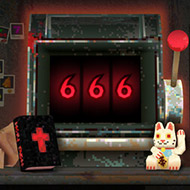
Into The Pit looks like a straightforward horror game about a boy chasing his father through time, but the browser version plays nothing like that story suggests — it’s a fast, score-chasing arcade shooter that drops the narrative pacing entirely in favor of nonstop waves of enemies.
| Genre | Arcade action |
| Core Mechanic | Clear stages of enemies to collect coins and reach boss fights |
| Best For | Players who want short, high-score-focused sessions |
The wider Into The Pit story follows a boy who discovers a ball pit that turns out to be a portal through time, dragging him back into the past of Freddy Fazbear’s Pizza in search of his missing father. The browser arcade version keeps that ball pit as the central image but strips away the time-travel puzzle-solving, replacing it with a straight run of combat encounters built for repeat attempts rather than a single story.
Stages, Coins, and What Actually Kills You in Into The Pit
Each stage in Into The Pit is a self-contained gauntlet: enemies spawn in waves, coins drop from defeated threats, and clearing the wave pushes you to the next stage. The loop rewards players who keep moving rather than players who try to hold a defensive position, since standing still tends to let enemy numbers stack up faster than a single position can handle.
- Coins collected during a stage carry over toward power-ups, so skipping pickups to rush the exit usually costs more than it saves.
- Boss fights break the wave rhythm and demand dodging patterns instead of the constant movement that works against regular enemies.
- Later stages increase enemy density rather than introducing entirely new enemy types, so pattern recognition matters more than memorizing a long roster.
Power-Ups Change How Aggressive You Can Be in Into The Pit
Power-ups in Into The Pit are what let a run snowball. Early stages are survivable with cautious, defensive play, but the power-ups collected from coin totals are what make it possible to clear later waves before they overwhelm the screen. Players who hoard coins without spending them on upgrades tend to hit a wall once enemy density picks up.
This is one of the clearer points of tension in how the game is discussed — some players enjoy the runaway power fantasy once upgrades stack, while others feel the difficulty curve leans too hard on whether you’ve built up enough power-ups by the time a boss fight arrives, rather than on raw skill.
Boss Fights Break the Rhythm
Boss encounters in Into The Pit ask for a different kind of attention than the regular waves. Instead of constant movement through a crowd, bosses demand reading a specific attack pattern and finding the windows to strike back. Once you reach the point where boss fights start appearing, the earlier habit of just outrunning everything stops being enough on its own.
Frequently Asked Questions
- Does the browser version of Into The Pit include the time-travel story? No — the browser arcade version focuses on clearing waves and chasing a high score, while the console and PC releases carry the full narrative built around the ball pit as a time portal.
- What should I prioritize early — coins or survival? Coins matter because they fund the power-ups that make later waves survivable, so grabbing them without taking unnecessary risks pays off more than pure survival with an empty pocket.
- Why do boss fights feel so different from regular stages? Bosses replace the wave-clearing loop with pattern-based combat, so the movement habits that work against regular enemies in Into The Pit often need to be slowed down and adjusted once a boss appears.
Into The Pit trades its own story’s slow dread for pure arcade pressure, and once the waves start stacking and a boss finally breaks the rhythm, that ball pit stops being a metaphor and starts being the only thing standing between you and the next stage.
Comments
There are no reviews yet. Be the first one to write one.