













Sonic’s Last Life





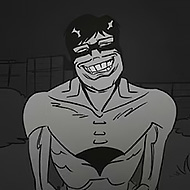
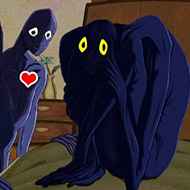



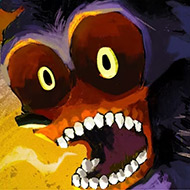
Green Hill in Sonic’s Last Life is not the bright, loop-covered zone anyone remembers — it’s been drained down to black and white, and Sonic isn’t alone in it. That single detail is the hook the entire experience hangs on: a familiar place stripped of its color, populated by versions of Sonic who didn’t make it.
A Familiar Zone Turned Inside Out in Sonic’s Last Life
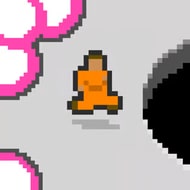
The story opens with Sonic dying mid-fight against Eggman, only to wake up in this colorless take on Green Hill. The doppelgangers — other versions of Sonic who have already met their own ends in this same place — are the core unsettling element here, and the game leans entirely on the discomfort of seeing a cheerful mascot’s world used as a holding space for his own failed lives instead.
What Sonic’s Last Life does well is restraint. It doesn’t flood the screen with monsters or throw constant scares at the player. Instead, it lets the wrongness of a black-and-white Green Hill, populated by silent copies of its usual hero, sit uncomfortably in view. Players who go in expecting a traditional horror game’s pacing tend to be surprised by how much the tension comes from atmosphere rather than sudden threats.
The Reveal at the Center of the Game in Sonic’s Last Life
The eventual twist — that Sonic himself is meant to be the last life among the doppelgangers surrounding him — is the moment most discussion of Sonic’s Last Life centers on. It reframes everything that came before it, turning what looked like a simple horror premise into something closer to an existential question about which version of a character actually gets to keep going.
This is also where the game is most divisive among players: some find the emotional weight of that reveal effective precisely because it’s delivered quietly rather than through a dramatic set piece, while others wanted a harder, more traditional horror payoff after the buildup. Both reactions are common in discussions of the ending, and neither take is unreasonable given how understated the delivery is.
Why the Concept Works on Sonic Specifically
A lot of the unease here comes specifically from using Sonic as the subject. Green Hill is one of the most recognizable settings in gaming, built around momentum and bright color, and Sonic’s Last Life gets its effect almost entirely by inverting both of those things at once. Players unfamiliar with the character going in tend to get less out of the experience than players who already carry an idea of what that zone is supposed to look like.
Sonic’s Last Life doesn’t try to reinvent horror mechanics to make its point — it just asks what’s left of a hero once every other version of him has already run out of lives, and lets that black-and-white Green Hill answer the question on its own.
Comments
There are no reviews yet. Be the first one to write one.