












Megabonk









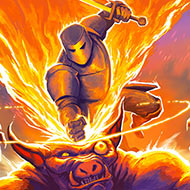
What happens when a Vampire Survivors-style swarm fight gets full 3D movement, jumping, and sword-surfing dropped into it? Megabonk answers that by giving you a vertical, mobile arena instead of a flat plane to auto-attack your way across.
Automatic Combat, Full 3D Movement
Megabonk keeps the automated-attack core familiar from the swarm-survival genre — enemies come in growing hordes, and combat mostly resolves itself once positioning is right — but layers genuine 3D movement on top of it. Sliding, jumping, speed boosts, wall-climbing, and even a sword-surfing technique give players active control over positioning in a way flatter, top-down games in the genre simply don’t offer.
Procedurally Generated Maps With Verticality
- Maps regenerate with real vertical terrain rather than a flat arena reused between runs.
- Verticality changes how enemy hordes actually funnel toward the player compared to open, flat ground.
- Movement tech like wall-climbing becomes genuinely useful rather than a novelty once terrain gets complex enough to demand it.
Experience, Upgrades, and No Permanent Crutches
Defeated enemies drop experience gems that trigger level-ups and randomized upgrade choices mid-run, and building synergy between those upgrades is where most of a run’s power comes from. Notably, Megabonk avoids permanent meta-progression almost entirely — there’s no purchasing extra max HP or a flat damage bonus between runs, which keeps each attempt honest about what the character actually earned during that specific run rather than what was stockpiled beforehand.
Megabonk’s Roster: Twenty Characters, Seventy-Plus Items
The roster in Megabonk includes twenty unlockable characters, each with distinct abilities that change how a run’s early upgrade choices should be prioritized. Combined with more than seventy items and over two hundred quests to work through, there’s a substantial amount of build variety available once a player has unlocked enough of the roster to start comparing character-specific strategies.
Where Megabonk’s Difficulty Actually Comes From
Because there are no permanent stat boosts carried between runs, difficulty in Megabonk comes almost entirely from in-run decision-making — which upgrades to prioritize, how aggressively to use movement tech to avoid getting surrounded, and when to reposition rather than stand and fight. That design keeps skill and run-specific choices as the primary factors in how far a given attempt goes.
What New Players Get Wrong
The most common mistake is playing Megabonk like a flat, top-down survival game and ignoring the movement tech entirely. Sliding, jumping, and wall-climbing aren’t optional flourishes — they’re often the difference between comfortably repositioning around a horde and getting boxed in by one. A second mistake is expecting meta-progression to smooth out difficulty over time, when the game deliberately avoids that safety net almost entirely.
Do earlier runs make later runs easier through permanent upgrades?
Not meaningfully — Megabonk avoids permanent stat boosts between runs, so difficulty stays tied to in-run choices and skill rather than accumulated meta-progression.
Is movement tech like sword-surfing necessary, or just for style?
It’s genuinely useful rather than cosmetic — verticality and enemy density on procedurally generated maps often make active movement tech the safest way to avoid being surrounded.
How many characters should I unlock before trying build variety?
There’s no strict requirement, but with twenty characters each changing upgrade priorities, unlocking even a handful beyond the starting roster opens up noticeably different approaches to a run.
Megabonk earns its place in a crowded genre by refusing to flatten itself into one — the swarm-survival core is still recognizable, but between full 3D movement, sword-surfing, and a refusal to lean on permanent upgrades, every run in Megabonk stays a test of the moment rather than a payoff for time already spent.
Comments
There are no reviews yet. Be the first one to write one.