


















Fortune Mill











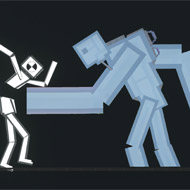
You wake up inside a room you don’t recognize, a dartboard bolted to one wall, and a spider-limbed figure looming in the doorway informing you that you’re not leaving until you’ve made a million dollars. That’s the entire premise of Fortune Mill, and it never bothers explaining more than that.
| Genre | Incremental Puzzle Simulation |
| Goal Per Room | $1,000,000 |
| Antagonist | A giant, spider-limbed creature |
The Rule That Shapes Every Fortune Mill Room
Fortune Mill’s structure is deceptively simple: each room hands you one moneymaking method, and you’re not allowed to progress until you’ve squeezed a million dollars out of it. The first room is darts — you throw, you earn gold based on where they land, and you spend that gold on upgrades that make each subsequent throw worth more. Nothing about that sounds complicated, and it isn’t, at first.
What beginners consistently misjudge is pacing. Early upgrades feel incremental and slow, and it’s tempting to keep manually throwing rather than reinvesting everything into multipliers. Optimizer-minded players who reinvest aggressively from the very first dart tend to hit their million dollars noticeably faster than players who hold back their gold “just in case.”
Scratch-Offs and Pachinko Change the Math
Later rooms swap the core action entirely. Scratch-off tickets introduce a layer of randomness the dart room didn’t have, where the value of an action isn’t fixed but depends on the reveal. Pachinko rooms bring back the spatial, physics-based element from the dart room but filtered through a completely different upgrade tree, so strategies that worked in room one don’t transfer directly.
- Scratch-off value scales with upgrades purchased before revealing, not after, so buy first and reveal second whenever the option exists.
- Pachinko boards reward aiming for specific pockets over raw volume of drops, the same lesson the dart room teaches but easy to forget once the visuals change.
- Currency earned in one room doesn’t always carry the same weight in the next, so resist the urge to hoard rather than spend.
What the Spider-Limbed Creature Actually Wants
The figure presiding over each room never gets a proper explanation for why it’s collecting money from trapped strangers, and Fortune Mill is comfortable leaving that unresolved. What it does communicate clearly is impatience — dialogue between rooms grows shorter and more clipped the longer a player lingers, which reads less like flavor text and more like mounting pressure to keep progressing.
Fortune Mill Techniques That Actually Save Time
Completionists who treat every room as a fresh start miss patterns that repeat with variation across the whole game. The core loop, earn currency, buy multipliers, let compounding do the heavy lifting, holds true from the first dart to the last pachinko drop, even as the surface mechanic keeps changing. Recognizing that underlying rhythm early saves far more time than optimizing any single room in isolation.
Questions Players Ask About Escaping
- Does progress carry over between rooms in Fortune Mill? Upgrades are generally room-specific, but the pacing lessons and reinvestment habits absolutely carry over, which is why later rooms tend to go faster than the dart room did.
- Is Fortune Mill mostly luck or mostly strategy? Both, in different rooms — the dart and pachinko rooms reward aim and timing, while the scratch-off room leans on randomness, so no single skill covers the whole game.
- What happens if I never reach a million dollars in a room? Nothing punishes slow play directly, but the spider-limbed figure’s growing impatience makes lingering feel worse than it mechanically is.
Fortune Mill never tells you why the money matters or who’s collecting it. It just keeps handing you a new way to earn it, room after room, until the million-dollar target stops feeling like an obstacle and starts feeling like the only language this place actually speaks.
Comments
There are no reviews yet. Be the first one to write one.