














TungTung’s Nightmare









You glance at the clock and realize the hour for sahur has almost slipped by, and the kitchen around you no longer feels like your own. That single missed window is where TungTung’s Nightmare begins, turning a quiet pre-dawn routine into a frantic scramble to survive the thing that comes looking for you when the reminder goes unanswered.
| Genre | Survival horror |
| Core Mechanic | Gather food before dawn while avoiding a hunting creature |
| Best For | Players who enjoy short, tense chase sequences |
The premise draws directly from sahur, the pre-dawn meal eaten before a day of fasting. In the game, forgetting that meal three times in a row is what summons Tungtung, and the entire structure of TungTung’s Nightmare is built around that consequence. Nothing about the setup is complicated, and that simplicity is exactly what makes the shift from routine to panic land so hard.
Why Sahur Matters in TungTung’s Nightmare
Sahur isn’t just flavor text here — it’s the clock the whole game runs on. Every night opens with the same quiet task: get food together before the pre-dawn window closes. Miss it once, and nothing happens yet. Miss it a third time, and the game stops being about groceries. Players who treat the early nights as a formality tend to get caught off guard by how quickly the tone flips once that third miss lands.
What makes this loop work is that it never explains itself with a countdown bar or a warning pop-up. You’re left tracking the pressure yourself, which is exactly the kind of low-tech dread the game is going for. It’s a deliberate choice, and it’s part of why players in the community keep comparing early sessions to “the calm before it clicks.”
There’s also a rhythm to how the early routine plays out — quiet, repetitive, almost mundane — that sets up the contrast for what’s coming. Nothing about those first attempts hints at what waits on the other side of a third missed sahur.
When Tungtung Starts Hunting in TungTung’s Nightmare
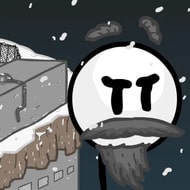
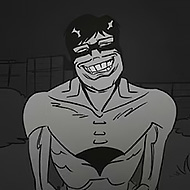
Once summoned, Tungtung doesn’t behave like a jump-scare prop that pops up once and disappears. It’s a human-sized, sausage-shaped figure with wide eyes and a crooked smile, and once it’s active, it actively hunts rather than waiting in one spot. That shift is where TungTung’s Nightmare stops being a food-gathering task and becomes a survival game in the more traditional sense.
- Movement noise matters more once Tungtung is active — careless routes get noticed.
- Open rooms offer fewer places to break line of sight than tight corridors do.
- Panicking and sprinting blindly tends to lead players straight into Tungtung rather than away from it.
The design leans on the gap between the creature’s cartoonish appearance and how relentless it becomes once it’s hunting — a contrast players in the community bring up constantly when describing why the game gets under their skin despite looking almost silly at a glance.
What New Players Get Wrong Early On
The most common mistake is treating the first couple of nights as throwaway tutorial rounds. Because nothing punishes a first or second missed sahur immediately, it’s easy to assume the game is forgiving. It isn’t — it’s just patient, and that patience is part of the tension TungTung’s Nightmare is built around.
The second mistake is panicking the moment Tungtung appears instead of thinking about sightlines. Players who slow down enough to route around furniture and doorways generally last longer than players who bolt in a straight line, since a straight line is the easiest path for Tungtung to close.
A smaller but honest note from players: the game is openly divisive about how it earns its scares. Some find the meme-inspired premise genuinely unsettling once the chase starts; others feel the novelty of the source material undercuts the horror. Both reactions show up regularly in discussion around the game, and it’s a fair point either way.
Frequently Asked Questions
What happens if I miss sahur only once or twice?
Missing sahur once or twice doesn’t summon Tungtung on its own — it takes three missed instances in a row before the creature is triggered and the hunt begins. Early misses mostly serve to build tension before the real threat appears.
Is there a way to lose Tungtung once it starts hunting?
Breaking line of sight by cutting through doorways and tighter spaces is more reliable than trying to outrun it in open areas, since Tungtung tracks and closes distance aggressively once active.
Does the game explain the sahur mechanic directly?
No — TungTung’s Nightmare doesn’t spell out the three-miss rule with an on-screen warning, which is part of why first-time players are often caught off guard by how suddenly the chase begins.
TungTung’s Nightmare gets its bite from how little ceremony it uses to turn a mundane pre-dawn task into a chase you didn’t see coming, and once Tungtung is on your trail, the quiet routine that opened the night is the last calm you’ll get.
Comments
There are no reviews yet. Be the first one to write one.